
«Emotions are the key component of the Nike brand»
Just a few weeks ago Nike has yet again affirmed its status as one of the world's most expensive sport brands of all times, having taken the first place in the Forbes' list of top 10 richest companies, which was published on the pages of the aforementioned magazine. The history of the company, the guiding principles that shaped it's development, as well as cases implemented here in Russia and on the international level, were all the subject of the lecture given by the director of Nike's brand development department Massimo Giunco to the students of «Sport Industry Management» RMA business school program.
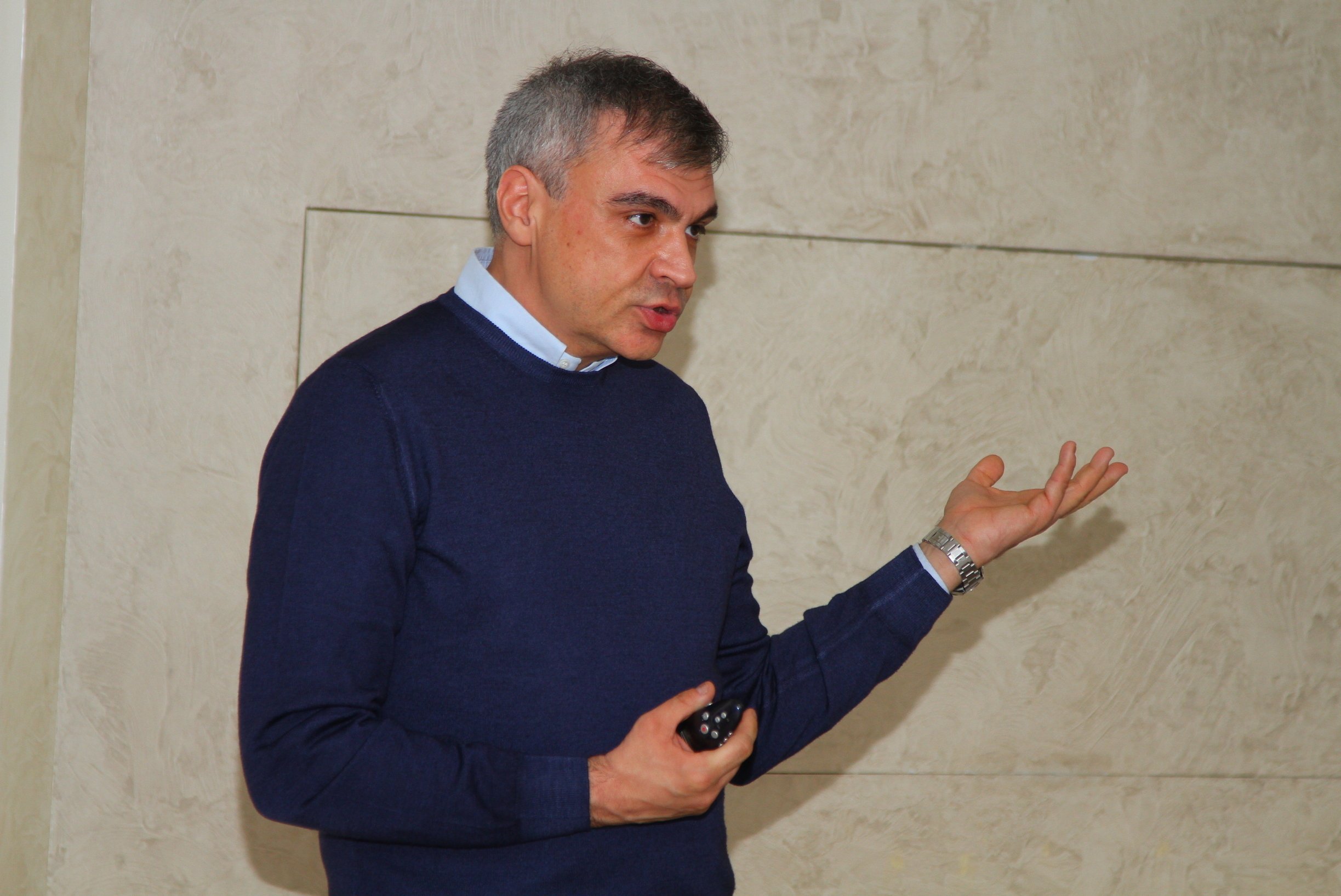
To understand the foundational principles of the development of Nike brand, according to Massimo Giunco who has been working at Nike for over 15 years, one would need to look at the company's history. The gist of Mr. Giunco's presentation revolved around the idea of constructing a brand through the prism of emotional response, because, as he put it - «emotions - are the key component of the culture behind the Nike brand».
«Nike is about sports, athletes, heroes, legends, emotions and aspirations. When in the early 60's the medium distance runner from Oregon University Phil Height and his coach Bill Beuerman began importing Japanese running shoes and later on founded a company Blue Ribbon Sports (subsequently renamed Nike), their secret was in large part their close collaboration with the athletes, and trying to understand their needs, helping them to improve their performance by providing them the most comfortable sports shoes. In essence, Nike became the first company that was founded by the professional runners for the professional runners. And one of the success secrets of our brand, is that we believe, that even an average athlete can achieve the highest results».
«The revolution in the positioning of the Nike brand happened when we have signed a sponsorship contract with Michael Jordan. He became an integral part of the brands cult, while his nickname Air Jordan, was associated not only with his outstanding athletic performance, but also with the air bags inside his basketball shoes, and hence with the brand Nike itself. Around that time, thanks to the brand's associated athletes, our company had begun substantially increasing it's market share, and to certain degree even began dictating fashionable trends in sports all around the globe. The second stage in our development was the creation of now famous motto «Just Do It». And finally, in 1990 we have opened our first store. Back then we were the only sports brand that went in this direction, which naturally allowed us to achieve a significantly higher quality of relationship with sports fans in general and those who already had an affinity for our brand in particular».
«Right now, our company's turnover is approximately 24 billion dollars. And in developing new strategies for the further advancement of our brand, we still largely rely on the foundational principles developed earlier over the years of the brand's existence. You may ask why? I'll try to answer that with the help of simple example. Imagine a race track of Formula 1. This image would illustrate better than anything the complexities involved in the world of sports marketing. Nike is participating in the race for sponsorship on the same equal plane with other sports brands out there. That is why the situation dictates that we adopt a smarter approach. So when we consider a development of a new line of products or technology, but it comes to our attention that other brands can easily replicate our strategy, in that case we do not proceed further with that idea. Of course in large part our successes are aided by the already existing brand recognition. However, we believe we should never solely rely on the power of the brand to do the job, but rather concentrate our efforts to maintain the brand's existing high standing».
